

And, you can determine when prices on a particular product need to increase. Although GAAP has narrowed its definition, it ultimately leaves the decisions concerning what expenses to include in the cost of goods sold to the accounting departments of different businesses. On December 31st, 2020, the company had an inventory balance of $100,000.
The inventory that a merchandising company buys is recorded in the balance sheet as an asset. It can be recorded in an “inventory” or “purchases” account or any other account specific to that product. Once these expenses are removed from gross profit, this will yield the company’s income before taxes. After deducting the income tax expenses, we will finally have the company’s net income. The basic purpose of finding COGS is to calculate the “true cost” of merchandise sold in the period. It doesn’t reflect the cost of goods that are purchased in the period and not being sold or just kept in inventory.
Where does cost of goods sold fit in the calculation for taxable income?
COGS is not an asset as it is an expense incurred in producing the goods sold. It includes the cost of inventory sold during a specific accounting period. Both operating expenses and cost of goods sold (COGS) are expenditures that companies incur with running their business; however, the expenses are segregated on the income statement. Unlike COGS, operating expenses (OPEX) where is cost of goods sold on balance sheet are expenditures that are not directly tied to the production of goods or services. The last-in, first-out method (LIFO) of cost allocation assumes that the last units purchased are the first units sold. Following that logic, ending inventory included 150 units purchased at $21 and 135 units purchased at $27 each, for a total LIFO periodic ending inventory value of $6,795.
One effective way to minimize expenses is by closely monitoring and analyzing all aspects of the business operations. This includes looking at the cost of goods sold and finding ways to negotiate better prices with suppliers or streamline processes to reduce waste. On the other hand, OPEX includes expenses such as salaries, rent, and utilities that are not directly related to the production of the product. The main difference between COGS and OPEX lies in what is included in the cost. By comparing the two categories, businesses can gain insights into their cost structure and identify areas where expenses can be optimized. In this article, you will learn a comprehensive analysis of cost of goods sold versus operating expenses can lead to more informed decision-making and ultimately improve the bottom line.
Everything You Need To Master Financial Modeling
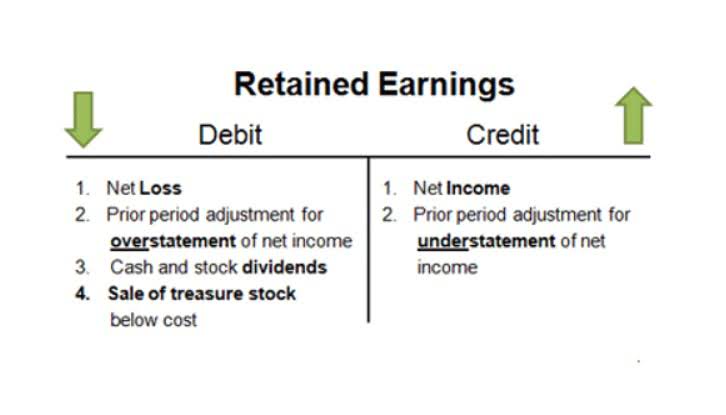
It’s important to note that COGS is an essential metric to measure the efficiency of a business. To accurately track expenses, it’s necessary to list all expenses that fall under COGS. Another crucial aspect is the distinction between CAPEX and operating expenses. Because the value of liabilities is constant, all changes to assets must be reflected with a change in equity. This is also why all revenue and expense accounts are equity accounts, because they represent changes to the value of assets.
By subtracting what inventory was leftover at the end of the period, you calculate the total cost of the goods you sold of that available inventory. Whether your business manufactures goods or orders them for resale will influence what types of costs you are likely to include. And not all service-based businesses keep track of cost of goods sold — it depends on how they use inventory.
Current Assets
To avoid capitalizing, you must comply with IRS requirements for accounting for that inventory. You can account for inventory as non-incidental materials and supplies or use a method that conforms to your financial accounting treatment for inventories. Clear categorization is essential for accurate financial reporting and decision-making. Below liabilities on the balance sheet is equity, or the amount owed to the owners of the company.